

Growing an aromatic tea garden
Four plants to start with

If you love spending time with your hands in the soil then this is for you. There’s something so quietly calming about pottering around in the garden, tending and nurturing plants and watching them grow.
My last post was all about using teas as part of an approach to slow aromatherapy and I thought it would be nice to follow up with some suggestions for growing your own aromatic plants for use in teas, or even balms and tinctures if you want to take things further.
My plant suggestions are based on safe, easy to grow plants that most of the time can also be grown in pots on a veranda or window sill. Aromatic teas should be accessible to all of us and growing your own aromatic plants is a lovely way to slow down and bring the plants and aromas into your daily life.
So which plants should you consider?
To get started with I’m going to suggest four aromatic plants that can all be used in teas, either fresh from the garden or after you have dried them. Combined together or used individually, they all make lovely aromatic teas with a myriad of health benefits.
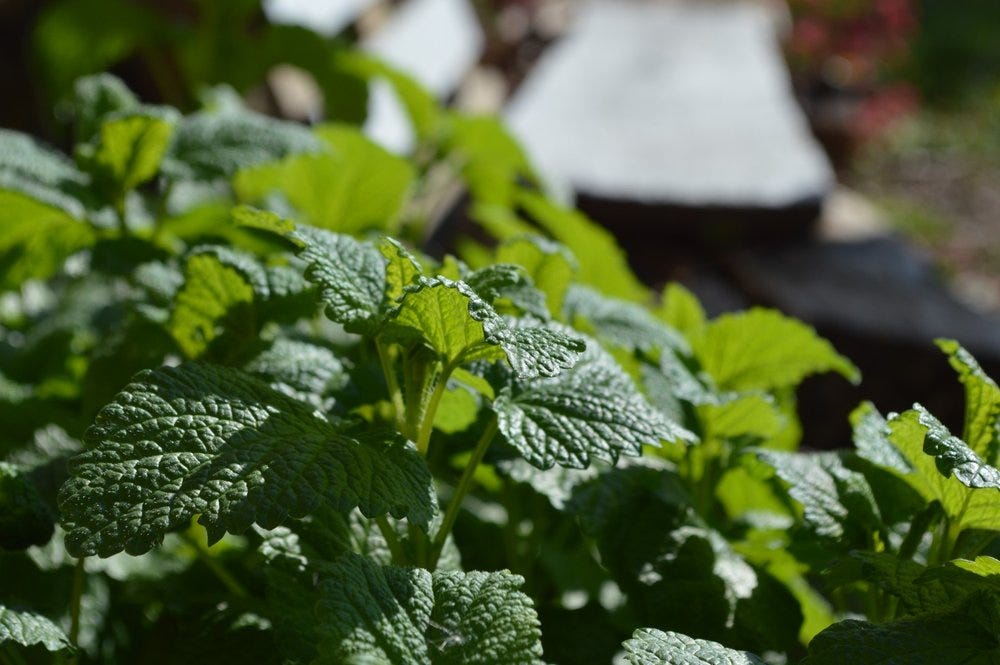
1 - Lemon balm (Melissa officinalis)
I love lemon balm for its mild lemony scent and its ability to combine well with other herbs and aromatic flowers. It’s a perennial herb from the mint (lamiaceae) family that grows well in full sun. With enough space it can grow up to a metre high and will flower in summer with tiny white flowers that the bees adore. Although it does well in a pot it can also be planted out and the lemon balm in my garden has managed to self-seed and is now springing up all over the place.
As well as using the leaves of the plant in teas they can also be used in drinks and added to salads. The therapeutic benefits include reducing stress and anxiety, promoting sleep and easing digestive discomfort. It has a calming and uplifting energy and is often seen as symbolic of feminine energy and intuition as well as being an aid to emotional healing.
An added bonus of lemon balm is that it can make a good repellant for mosquitos. I have it planted in a large pot next to the front door but you can also crush the leaves and rub the scent onto your skin.
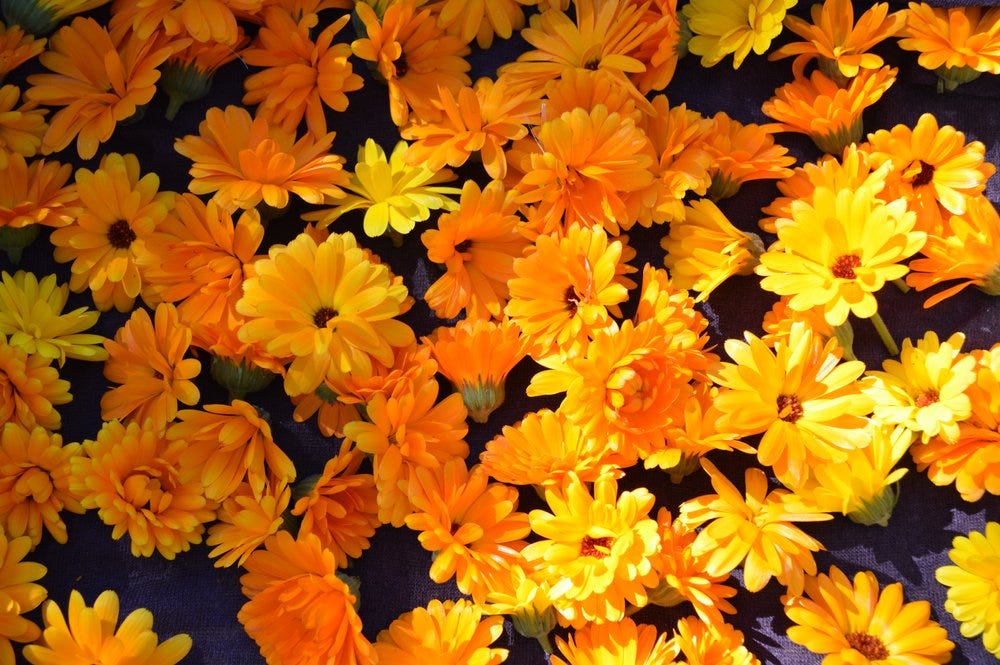
2 - Calendula (Calendula officinalis)
Sometimes called Pot Marigold these bright friendly flowers grow equally well in pots, borders or along hedgerows and fences. They are easy to grow and will happily self-seed and come back year after year. They are from the daisy, or asteraceae, family and grow well in sunny spots opening and closing their big bright flowers every day in step with the sunlight.
Calendula is a soothing and calming herb known for its anti-inflammatory and antioxidant properties and is often used in skincare to gently soothe and calm inflammation. As a tea it can help to calm the digestion and can aid sleep as well as promoting a feeling of wellness. It has a mild warm scent that is joyful and full of summer warmth and sunlight.
The flowers can be used fresh in teas or can be dried and stored for later use. They can also be used for making a macerated (or infused) oil that can then be used in skincare. I love adding calendula oil into my skincare balms for its warm soothing properties. The petals can also be used in salads and to lightly flavour soups and herb butters. Calendula has a bright, warm sunny energy full of positive vibes and optimism.
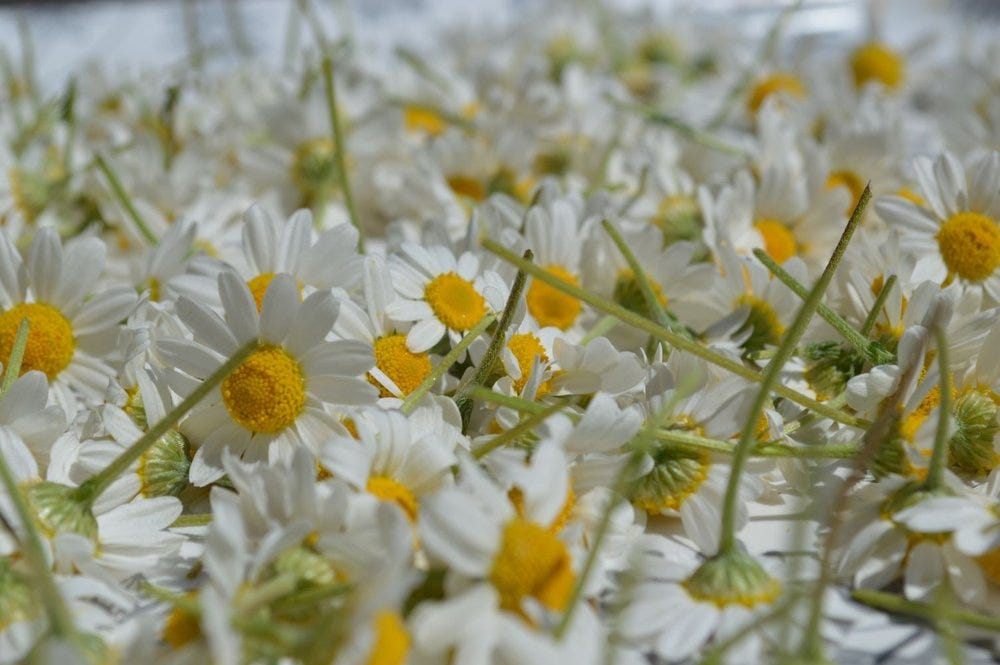
3. German Chamomile (Matricaria recutita)
German chamomile has long been used for soothing digestion, aiding sleep and helping to relax an over-anxious mind. While both German chamomile (Matricaria recutita) and Roman chamomile (Anthemis nobilis) can be used in tea, German chamomile is a little sweeter than the slightly bitter taste of Roman chamomile which can make it a better option for an aromatic tea.
However both plants with their sweet smelling herbaceous apple-like scent and daisy like flowers are a beautiful addition to any herb garden. And like calendula, both plants are part of the asteraceae or daisy family, growing well in full sun to partial shade and, once established, are drought resistant so require little watering. German Chamomile is an annual plant that will self seed with new plants growing back each year. It can grow to around 60cm in height and is well suited to growing in pots. Roman chamomile on the other hand is a creeping perennial so will spread and grow back year after year.
The flowers can be used fresh or dried in teas and also in skincare for their soothing and calming properties. Chamomile is a symbol of rest and healing and is believed to have the power to transform negative energy into positive energy.
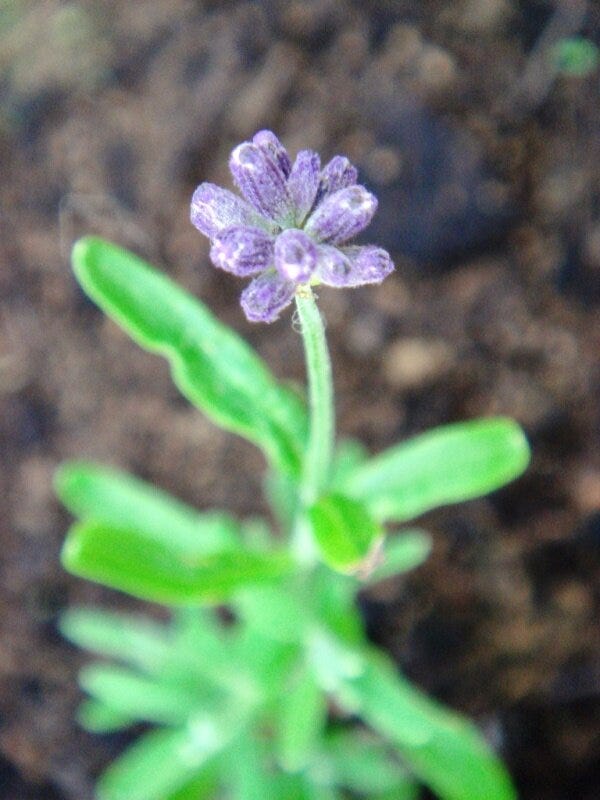
4. True lavender (Lavandula angustifolia)
Lavender is one of my all-time favourites, both as a plant and an essential oil and I love its cooling, comforting fragrance. On a recent trip to the south we drove through the lavender fields close to Mont Ventoux on our way from Gap to Avignon. And although they were not in flower it was still lovely to see the neat rows of tidy grey/green lavender plants waiting for the warmer months to show off their beautiful blue and purple flowers. We stopped in Sault to buy essential oil and handmade balms and it was lovely to be back in the land of lavender if even just for a day.
Lavandula angustifolia, sometimes called true lavender, is a flowering evergreen from the lamiaceae family and is native to the Mediterranean where it has been used for centuries in herbal teas and medicines as well as in scents and as a kitchen herb. It has a calming, soothing effect and is often used to promote sleep and help an over anxious mind. Similarly it works well on the skin in a balm or gel to calm inflammation and itching.
Lavender will grow well in a pot or in the ground but it does need well drained soil and can be mulched with gravel. A neutral to alkaline soil is good for lavender and you will often see the plants in slightly raised rows of limestone gravel which helps with both drainage and soil pH levels. Most lavender is fairly hardy and will withstand some snow and frost. Much lavender is grown at high altitude and as well as being hardy to the cold it is also drought resistant with low flammability [1].
Flower heads can be used fresh from the garden or dried and stored for later use. Lavender is a lovely nighttime tea with its soothing and calming properties but it can also be used in the day for a refreshing brew. A mediaeval symbol of devotion and loyalty, lavender is also known as a herb of tranquillity and intuition as well as one for protection and courage.
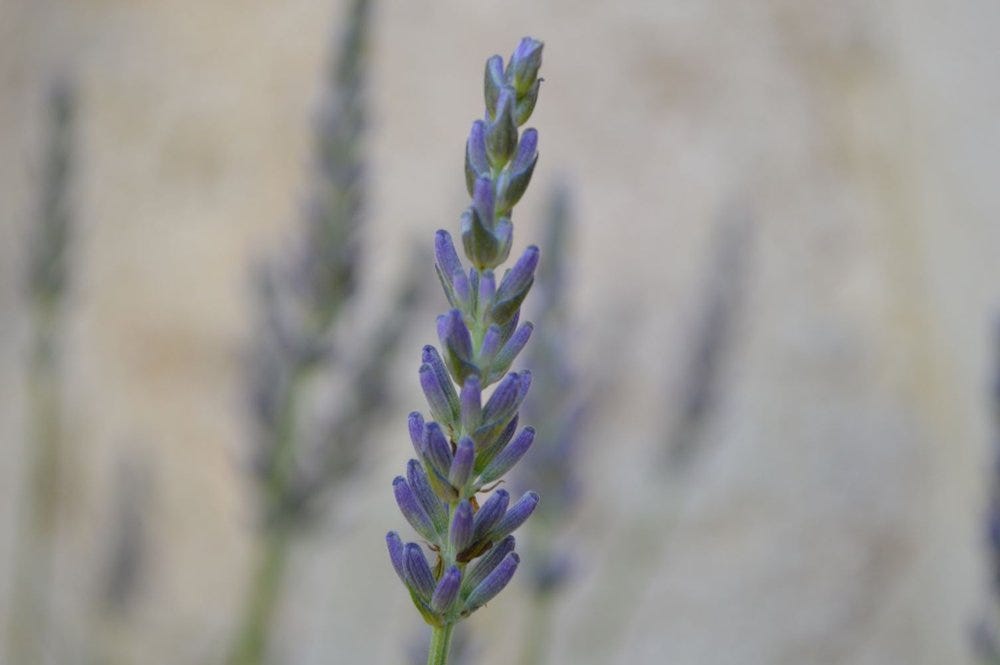
Once you have your aromatic tea garden in full flower then I would suggest collecting a bloom of lavender, a flower head of chamomile and calendula and a sprig of lemon balm, placing them all together in a pot and making a lovely aromatic tea.
I’d love to know how you get on.
Until next time……
Elizabeth x
References:
[1] Fire retardent garden plants - Tasmanian Fire Service 1709 Brochure.pdf (fire.tas.gov.au)
NB. This post is for information purposes only. If you are pregnant, have an ongoing condition or take medication you should always check with your healthcare provider before using herbal remedies.
When I try lavender it always dies. I take solace in the fact that they say this isn't a good place to grow it but I love it.